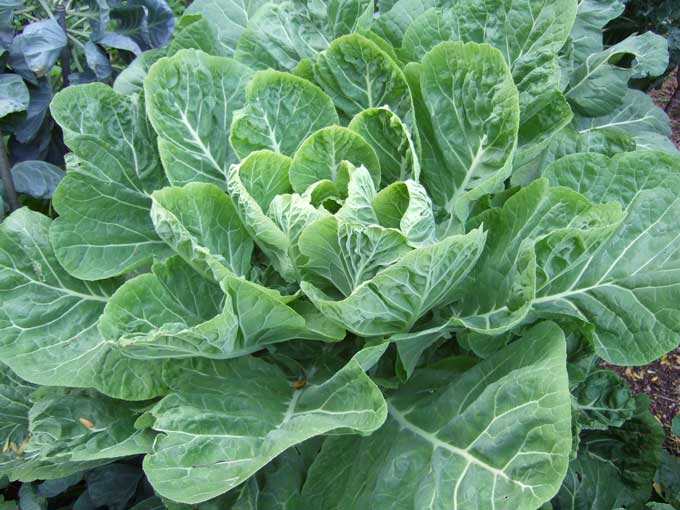

I think that the lesson in the chapter that was about the fruits and vegetables was a very important lesson that was taught in the classroom. I can relate to this very well because I myself used to work on a farm and I was familiar with the many fruits and vegetables they talked about in the story. I think that it was a great idea that they introduced all of those things in the classroom because it is so important to the students to see where they come from and how their different seeds grow to produce new plants. I also think that it was important that the teacher brought in foods that were similar to the cultures of her students because this allows them to personally relate to experiences from home that they can have discussions about in class. 
There aren't many exciting plants in my area that I would bring to the science corner, but I would just find a wide array of different plants that have different looking leaves, and maybe bring the leaves in of different trees so the students can differentiate between them and observe their characteristics. I would encourage my students to ask about where they think that they came from, and how they grow and that's where we can talk about seeds and how they think the process works. I I I I think that it is important that students get exposed to this kind of material, because it exposes them to the outside world and allows them to explore science in nature and it is important as a teacher that science from outside is brought into the classroom.
http://www.youtube.com/watch?v=YH2vJ5WmuRk
Here's a great video to watch of a group of kids planting their own seeds to watch grow into a luscious garden. These kids are so happy that they watched all their hard work of planting and watering finally pay off, and I hope that I can give my students in the classroom that same experience one day!
I do think that in this day in age, our technological revolution makes it very difficult for students to distinguish between living and non living. This is partly due to the fact that in this day in age there are so many students that are curled up on the couch eating potato chips and they never give themselves the chances or opportunities to go outside and explore the world beyond their living room. Students can distinguish many things as breathing, and moving, but there are many things like plants that don't move that are still living. There is a quote in the story that says "students hear the word grow used in the context of nonliving things, like "growing crystals and for something to live and grow means that it needs something from the environment around it." This means that it is so important that students are exposed to nonliving and living things and not only understand that they have those characteristics, but to show why they have them as well. I think that this all ties in to where sustained inquiry is so important to explore in the classroom at a young age. Sustained inquiry is defined as "the development of an extended investigation over a period of time." The more that students develop different investigations in the classroom at a young age, the more confident they will feel when they are on their own in the future and they have the reassurance that they can succeed while doing independent research along with the determination to go out and explore and succeed. What is most important is that they explore what is beyond their living room watching tv and eating potato chips! :)

No comments:
Post a Comment